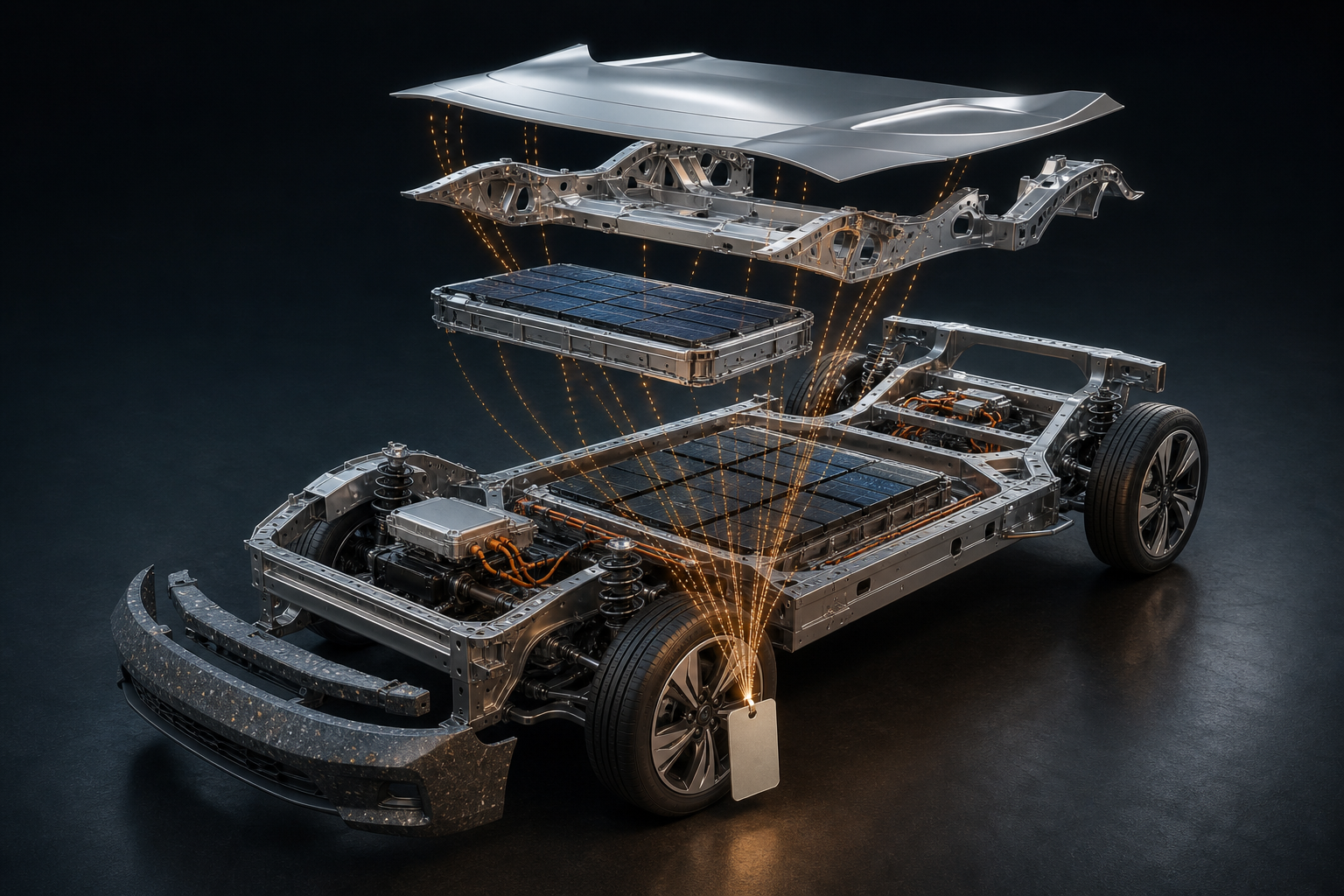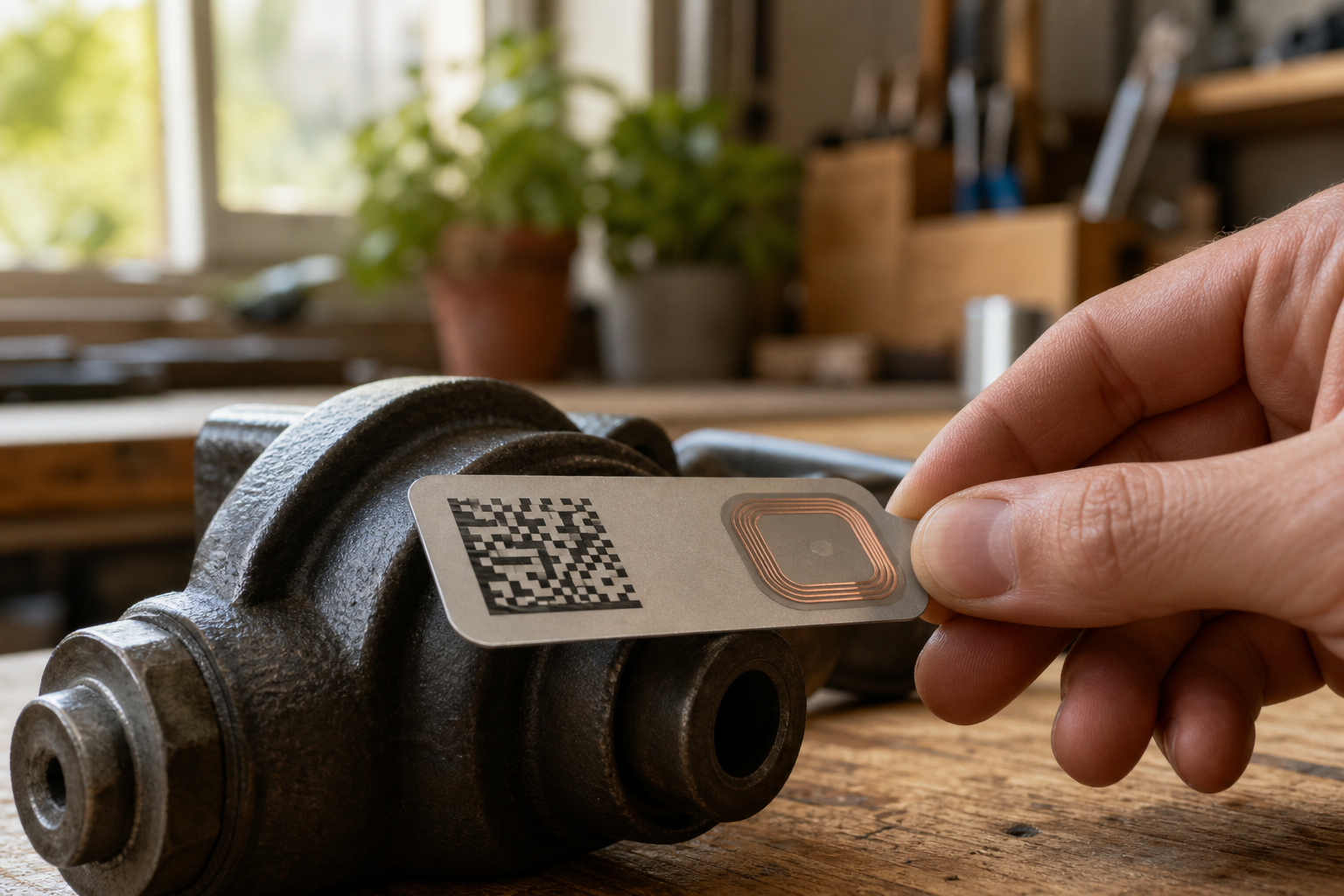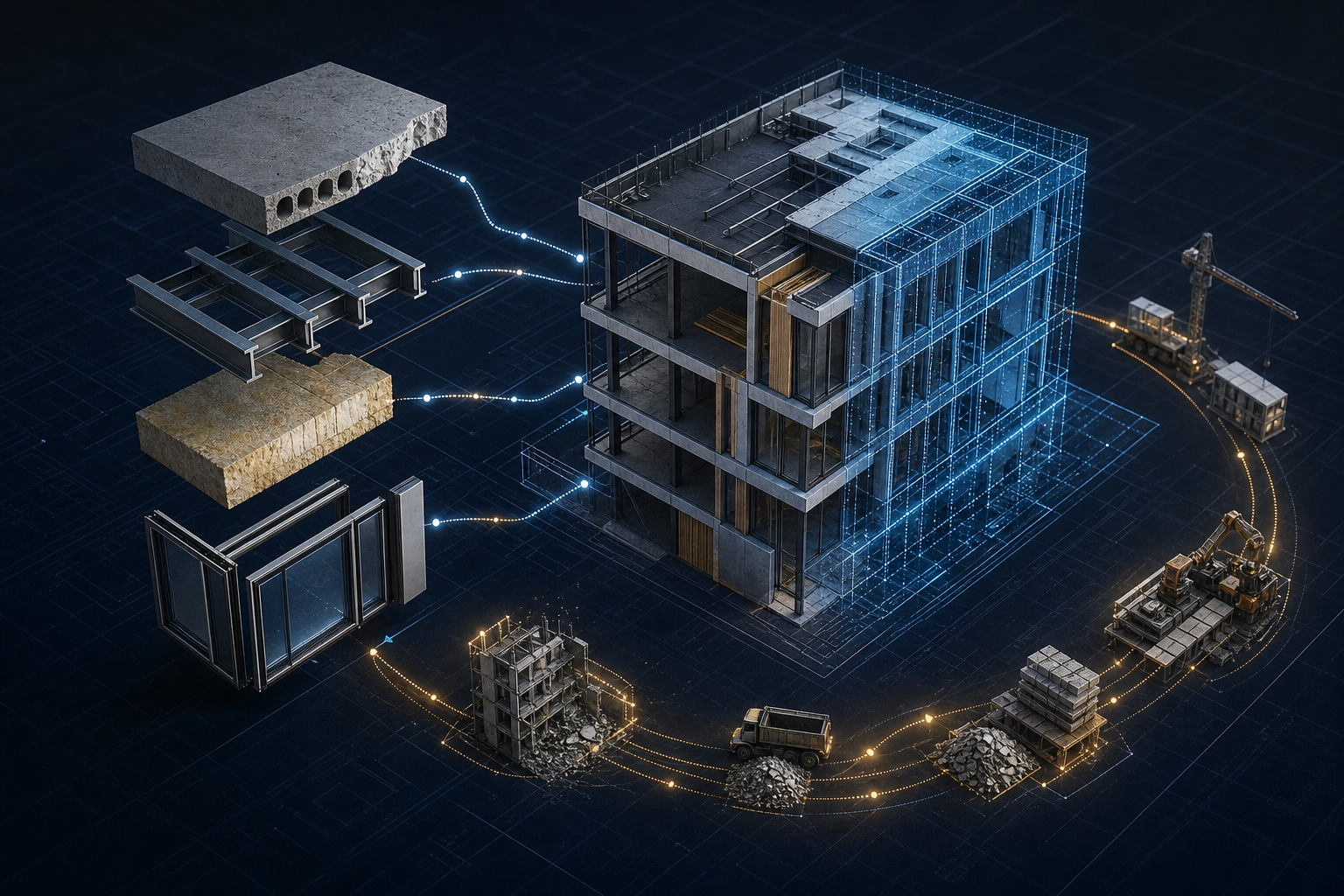
Den nye forordning om byggevarer (EU) 2024/3110 skaber et eget system for digitale produktpas i byggeriet. Det skal være interoperabelt med ESPR-DPP, men må ikke bremse Building Information Modelling. For producenter betyder det ikke et ekstra PDF-arkiv, men en databridge fra produktmodellen over bygningen til nedrivningen.
Et DPP-system med tilknytning til bygningen
Artikel 75 forpligter EU-Kommissionen til at oprette systemet for byggeproduktpas gennem delegerede retsakter. Systemet skal bygge på den horisontale DPP i henhold til ESPR og samtidig tage højde for byggeprodukters særlige forhold.
Det er væsentligt, fordi et byggeprodukt som regel indgår i en langtidsholdbar helhed. Et vindue, et isoleringsmateriale eller et præfabrikeret element bliver planlagt, leveret, monteret, vedligeholdt, eventuelt afmonteret og genbrugt. Produktinformationen skal derfor ikke kun fungere ved salget, men også kunne genbruges i planlægnings- og bygningsdata.
Kommissionen angiver i sin DPP-tidslinje krav til byggeprodukter og DPP-tjenesteudbydere i andet kvartal 2027 som det næste planlagte skridt. De detaljerede regler er altså endnu ikke fastlagt. Grundarkitekturen står dog allerede i forordningen.
Hvilke oplysninger passet forbinder
Artikel 76 omfatter blandt andet følgende indhold:
- ydeevne- og overensstemmelseserklæring,
- generelle produktoplysninger samt brugs- og sikkerhedsanvisninger,
- teknisk dokumentation,
- foreskrevet mærkning,
- entydige identifikatorer,
- dokumenter i henhold til anden gældende EU-lovgivning,
- databærere for vigtige komponenter, hvis disse selv har et DPP.
Passet svarer grundlæggende til produkttypen og dens entydige identifikation. Oplysningerne skal være korrekte, fuldstændige og aktuelle. Forskellige aktører får forskellige adgangsrettigheder og må – afhængigt af deres rolle – tilføje eller opdatere oplysninger.
DPP og BIM har forskellige opgaver
En BIM-model beskriver bygningen og dens komponenter i projektkonteksten. DPP beskriver produktet og dets lovgivningsmæssigt relevante data gennem hele livscyklussen. De to systemer bør referere til hinanden, men ikke kopiere hinanden.
Et praktisk mønster ser sådan ud:
- Producenten tildeler en permanent produktidentifikation.
- DPP stiller de autoritative produkt- og overensstemmelsesdata til rådighed.
- BIM-objektet gemmer identifikationen og projektspecifikke monteringsoplysninger.
- Ændringer i produktpasset forbliver tilgængelige via den samme reference.
- Ved nedrivning kan komponenten igen knyttes til sin produkttype og de relevante data.
Den, der kopierer komplette tekniske dokumenter ind i hver BIM-model, skaber forældede versioner. Den, der kun gemmer et weblink uden en stabil identifikation, risikerer døde links. Den robuste mellemvej er en permanent, maskinlæsbar reference med tydeligt dataansvar.
Åbne standarder og ingen leverandørlåsning
Artikel 77 kræver åbne standarder, interoperable formater samt maskinlæsbare, strukturerede, søgbare og overførbare data. Artikel 78 supplerer med krav til sikkerhed, databeskyttelse, integritet og beskyttelse af forretningshemmeligheder.
Ved indkøb af en DPP-tjeneste bør producenter af byggevarer derfor som minimum undersøge:
- Kan alle data og tilknytninger mellem identifikatorer eksporteres?
- Forbliver URL'er og identifikatorer stabile ved leverandørskifte?
- Findes der dokumenterede API'er og åbne dataformater?
- Kan offentlig adgang, projektadgang og myndighedsadgang adskilles?
- Hvordan versionsstyres ændringer, så de kan følges?
- Hvilken backup træder i kraft ved konkurs eller virksomhedsophør?
Forordningen forbyder desuden tjenesteudbydere at sælge, genanvende eller behandle lagrede DPP-data ud over det nødvendige hosting eller den nødvendige behandling, medmindre den økonomiske aktør udtrykkeligt samtykker.
Lang tilgængelighed ændrer valget af system
Byggevarer er i brug i årtier. Forordningen om byggevarer kræver, at systemet forbliver tilgængeligt i 25 år efter markedsføringen af det sidste produkt af en type; den økonomiske aktør skal stille passet til rådighed i mindst ti år. Den konkrete udformning følger i DPP-systemet.
Disse tidshorisonter er længere end typiske softwarekontrakter. En virksomhed har derfor brug for:
- portable data og medier,
- dokumenterede overdragelser af ansvar,
- en uafhængig backup,
- permanente domæner og identifikatorer,
- en procedure for produktændringer, efterfølgere og udfasninger.
Driften må ikke afhænge af en enkelt medarbejderkonto eller en kortvarig kontrakt, der ikke kan overdrages.
Roller i byggeriets livscyklus
Producenter, bemyndigede repræsentanter, importører og distributører har andre forpligtelser end projekterende, bygherrer, udførende, afinstallatører eller myndigheder. Det fremtidige system skal fastlægge, hvem der må se hvilke oplysninger, og hvem der må ændre dem.
En producent bør tage højde for disse roller allerede i datamodellen. Offentlige ydeevnedata bør ikke ligge i samme adgangskanal som fortrolige tekniske dokumenter. En virksomhed, der står for nedrivning, har brug for andre oplysninger end en markedsovervåger. Rollebaserede visninger skal dog stadig pege på den samme produktidentifikator.
Hvad producenter kan forberede nu
- Modellér produkttyper, varianter og vigtige komponenter entydigt.
- Omdan ydeevne- og overensstemmelsesdata fra PDF'er til strukturerede felter.
- Definér en stabil reference mellem produktstamdata, DPP og BIM-objektet.
- Skitsér adgangsroller for projekterende, kunder, myndigheder og nedrivning.
- Gør eksport, API, backup og leverandørskifte obligatoriske i indkøb.
- Gennemfør et pilotprojekt med et produkt, der består af flere DPP-relevante dele.
Byggeproduktpasset bliver værdifuldt, når det ikke stopper ved fabriksporten. Forordningen udstikker en klar retning: åbne data, permanent identitet, differentieret adgang og tilslutning til BIM. Virksomheder kan implementere disse grundlag, før alle detaljerede retsakter er vedtaget.