Med forordning (EU) 2026/405 får vaskemidler og tensider til slutbrugere deres eget digitale produktpas. Reglerne gælder grundlæggende fra den 23. september 2029. Det lyder langt ude i fremtiden, men berører data, etiketter, dokumentation og importprocesser, som producenterne ikke kan vente med at omlægge til kort før fristen.
Hvad vaskemiddel-DPP skal kunne
Inden markedsføringen skal producenten oprette et digitalt produktpas for hver model af et vaskemiddel eller en tensid til slutbrugere. Passet bekræfter, at overensstemmelsen med forordningen er dokumenteret, og indeholder mindst datasættet fra bilag VI, del A.
DPP skal være korrekt, fuldstændigt og ajourført. Det skal stilles til rådighed på de sprog, som den pågældende medlemsstat kræver, og være tilgængeligt for forbrugere, markedsovervågning, toldmyndigheder, Kommissionen og andre erhvervsdrivende i overensstemmelse med deres adgangsrettigheder. Med oprettelsen af passet påtager producenten sig ansvaret for den erklærede overensstemmelse.
Den minimale tilgængelighedsperiode er ti år. Det gælder også ved insolvens, likvidation eller ophør af den erhvervsdrivendes aktiviteter. Hosting bliver dermed en compliance-funktion: Et fungerende link på salgsdagen er ikke tilstrækkeligt.
Én databærer til flere forpligtelser
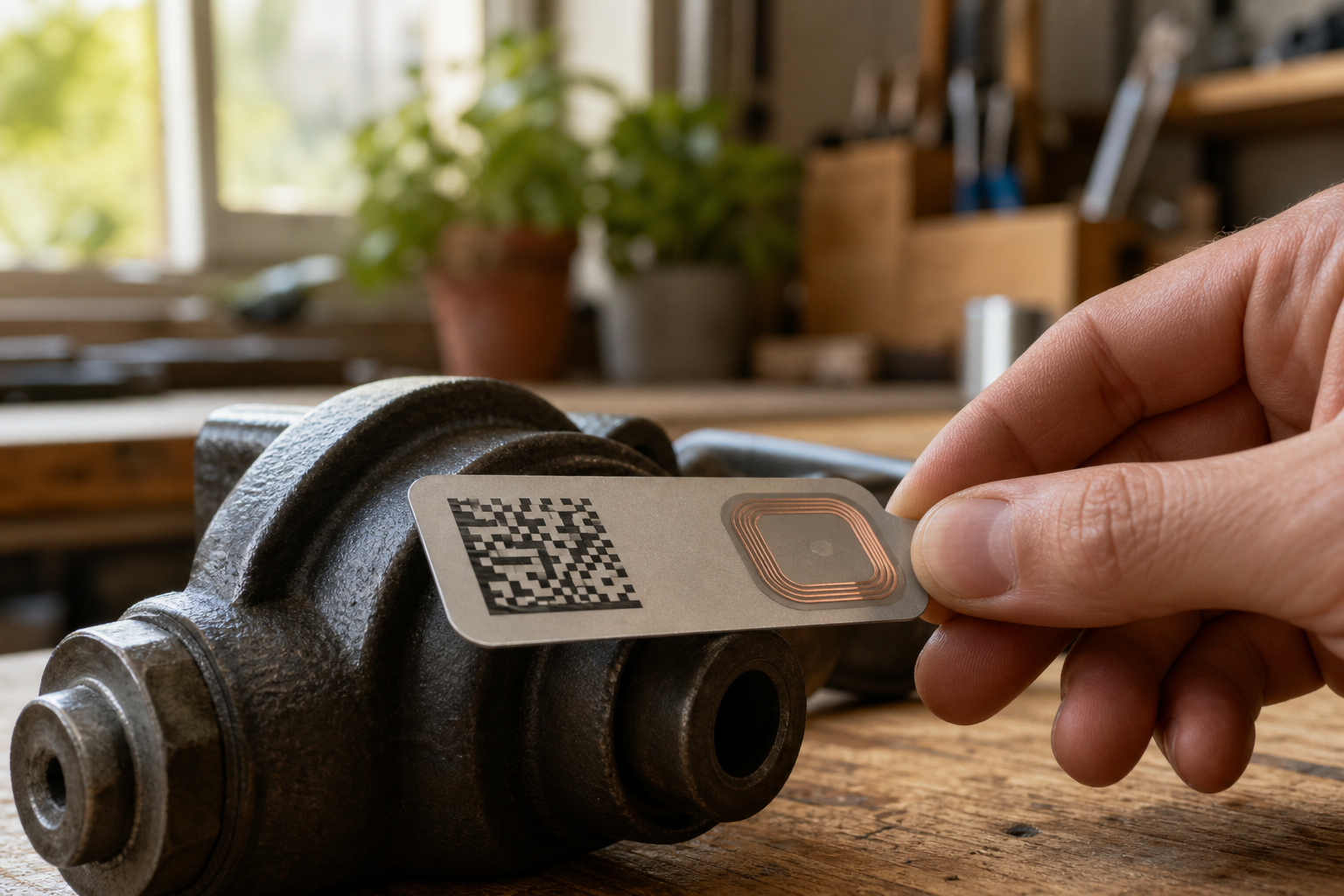
Databæreren skal være fysisk til stede på etiketten eller emballagen; ved transport uden emballage kan den være placeret på ledsagedokumenter. Ved genopfyldningsstationer skal den være tilgængelig på stationen. Den skal være permanent, automatisk behandlingsbar og synlig før købet – også ved fjernsalg.
Hvis anden EU-ret også kræver oplysninger via en databærer, skal der anvendes én enkelt databærer. Hvis en anden bestemmelse kræver en DPP, skal der tilsvarende oprettes ét fælles produktpas. For emballage-, produkt- og sikkerhedsansvarlige er det et klart arkitektursignal: Flere ukoordinerede QR-koder er ikke et fremtidssikret målbildе.
Databæreren må give adgang til yderligere oplysninger, men de obligatoriske oplysninger skal forblive tydeligt identificerbare og adskilte. Marketing må ikke skjule compliance-dataene.
Model, parti eller enkeltprodukt
Vaskemiddelpasset er som udgangspunkt knyttet til en bestemt model. Hvis anden EU-ret kræver et pas på parti- eller enkeltdelsniveau for det samme produkt, kan vaskemiddel-DPP skifte til dette mere detaljerede niveau.
Granulariteten påvirker næsten alle tekniske trin:
- hvilken identifikation der står på emballagen eller genopfyldningsstationen,
- hvordan formuleringer og leverandørdata versionsstyres,
- hvilke tilbagekaldelser der kan udløses målrettet,
- hvor mange registerposter der opstår,
- hvilke ændringer der kræver et nyt pas, og hvilke der kun kræver en opdatering.
Virksomheder bør derfor allerede i produktdatamodellen skelne mellem „model“, „formuleringsversion“, „parti“ og „salgsenhed“. Ét varenummer er sjældent tilstrækkeligt i komplekse sortimenter.
Hvad der er særligt ved genopfyldningssystemer
Refill-tilbud forbinder produkt, beholder og salgssted. Databæreren på stationen skal passe til det vaskemiddel, der faktisk udleveres. Et statisk skilt, der dækker flere skiftende formuleringer, skaber en risiko for forkert sammenkædning.
I praksis har stationen derfor brug for:
- en entydig identifikation af det tilbudte produkt,
- en kontrolleret ændringsproces ved ændring af formulering eller leverandørparti,
- en læsbar DPP-sammenkædning før købet,
- offline- eller erstatningsoplysninger, hvis digitale oplysninger midlertidigt ikke er tilgængelige,
- en logning af, hvilken version der blev udleveret i hvilken periode.
Databeskyttelse: Scanninger er ikke et fripas til tracking
Forordningen begrænser brugen af adgangsdata. Erhvervsdrivende bør ikke spore, analysere eller anvende brugsoplysninger, medmindre det er strengt nødvendigt for at stille DPP-oplysningerne til rådighed online. Personoplysninger om forbrugere må ikke gemmes i passet uden udtrykkeligt samtykke.
Teknisk betyder det: Ingen skjulte reklameprofiler bag en obligatorisk scanning. Serverlogs, analyse og samtykke skal udformes, så de foreskrevne produktoplysninger kan hentes gratis og uden unødvendig dataindsamling.
Told og import
For varer fra tredjelande skal forbindelsen til DPP være tilgængelig for toldmyndighederne. Forordningen fastsætter, at den entydige registreringsidentifikator og den relevante varekode skal kunne sammenholdes med registerdataene. Producenter uden for EU har desuden brug for en bemyndiget repræsentant.
Importører bør derfor ikke kun kontrollere, om der findes en QR-kode. De har brug for struktureret dokumentation for registerpost, ansvarlig erhvervsdrivende, produktmodel og varekode. Denne kontrol skal indgå i leverandørgodkendelsen.
En fornuftig forberedelse frem mod 2029
- Adskil produktmodeller, formuleringsversioner og partier i datamodellen.
- Knyt de obligatoriske data fra bilag VI til deres førende kildesystemer.
- Behandl sprog- og adgangsrettigheder som strukturerede regler.
- Planlæg en permanent databærer til emballage, genopfyldningsstation og onlinehandel.
- Sikr tilgængelighed, backup og leverandørskifte kontraktligt i mindst ti år.
- Test register- og toldprocesser med importører og repræsentanter.
- Begræns tracking ved obligatorisk adgang til det teknisk nødvendige.
Vaskemiddel-DPP er ikke en digital etiket med nogle få ekstra felter. Det forbinder overensstemmelse, produktidentitet, flersprogethed, refill-processer, told og langsigtet tilgængelighed. De, der planlægger disse komponenter samlet, kan opbygge databæreren robust én gang i stedet for senere at montere flere konkurrerende løsninger på emballage og salgssted.