D’fhoilsigh an Coimisiún Eorpach a threoirlínte maidir leis na hoibleagáidí trédhearcachta faoi Airteagal 50 den Acht um an Intleacht Shaorga an 20 Iúil 2026; rinneadh an leathanach forbhreathnaithe gaolmhar a nuashonrú an 29 Iúil 2026 den uair dheireanach. Beidh feidhm ag na hoibleagáidí, i bprionsabal, ón 2 Lúnasa 2026. I gcás na bhfoirne a fhoilsíonn íomhánna, físeáin, fuaimeanna nó téacsanna a ghineann an intleacht shaorga, tá idirdhealú teicniúil ríthábhachtach: is leibhéil ar leith iad marcáil mheaisín-inléite an ábhair, a inbhraiteacht agus an fógra infheicthe do dhaoine. Is féidir le cód QR ceathrú leibhéal a chur leis le haghaidh tionscnaimh agus míniúcháin. Ní ghlacann sé áit na leibhéal eile go huathoibríoch, áfach.
Scarann Airteagal 50 idir soláthraithe agus úsáiditheoirí
Leagtar síos in foclaíocht Airteagal 50 oibleagáidí éagsúla do róil éagsúla.
Ní mór do sholáthraithe córas a ghineann ábhar sintéiseach fuaime, íomhá, físeáin nó téacs a chinntiú go ndéantar na haschuir a mharcáil ar bhealach meaisín-inléite agus gur féidir iad a aithint mar ábhar a ghintear nó a athraíodh go saorga. Ba cheart don réiteach teicniúil a bheith – a mhéid is indéanta go teicniúil – éifeachtach, idir-inoibritheach, láidir agus iontaofa. Ní shonraíonn an t-airteagal formáid bharrachóid ar leith dá bhrí sin. Éilíonn sé tréith den ábhar aschuir agus bealach oiriúnach chun é a bhrath.
Ní mór do úsáideoirí daoine a chur ar an eolas i gcásanna áirithe úsáide: mar shampla, maidir le haithint mothúchán agus catagóiriú bithmhéadrach, le deepfakes, agus le téacsanna áirithe a ghineann nó a ionramhálann an intleacht shaorga maidir le cúrsaí a bhaineann le leas an phobail. Caithfidh an fhaisnéis sin a bheith soiléir, idirdhealaitheach agus inrochtana tráth nach déanaí ná an chéad idirghníomhaíocht nó an chéad nochtadh. Tá feidhm ag na ceanglais ábhartha inrochtaineachta chomh maith.
Féadfaidh cuideachta an dá ról a bheith aici ag an am céanna. Dá bhrí sin, má oibríonn sí a córas giniúna féin agus má fhoilsíonn sí a thorthaí í féin, ní mór di an taobh soláthraithe agus an taobh úsáideoirí araon a scrúdú.
Cén fáth nach ionann “meaisín-inléite” agus “cód QR” amháin
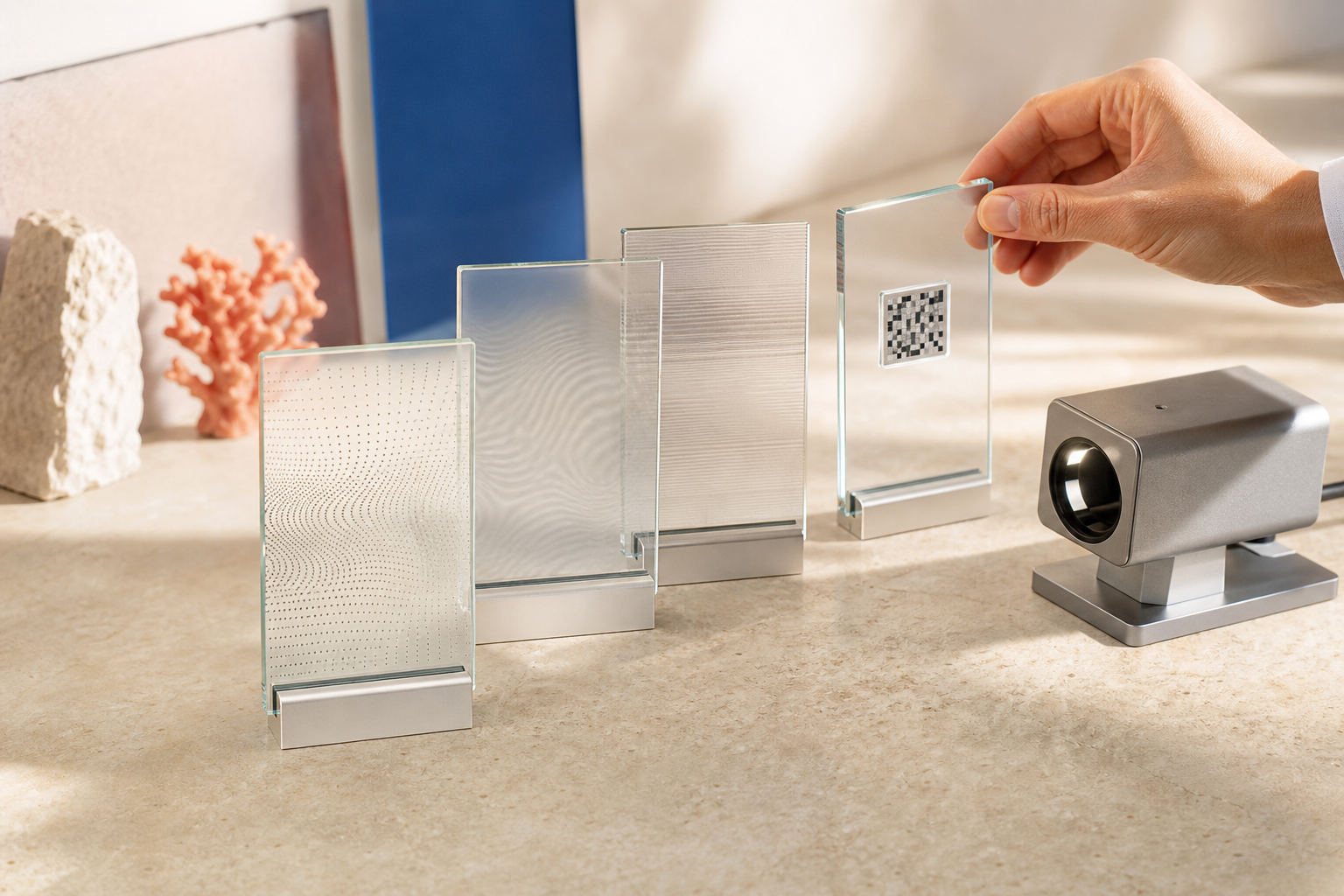
Tá cód QR meaisín-inléite. Ní leanann sé sin, áfach, go gcomhlíonann cód QR a chuirtear taobh le híomhá a hoibleagáid mar sholáthraí cheana féin. Éilíonn mír 2 d’Airteagal 50 go ndéanfaí aschur an chórais intleachta saorga a mharcáil agus go mbeadh sé inbhraite mar aschur a ghineann nó a ionramhálann an intleacht shaorga. De ghnáth ní dhéanann cearnóg a chuirtear ar leithligh ach tagairt do leathanach seachtrach. Má chóipeáiltear an íomhá, má ghearrtar í nó má scaiptear í gan an leagan amach a ghabhann léi, d’fhéadfadh an tagairt imeacht fad a bheadh an t-ábhar féin gan athrú á scaipeadh.
Is é an tátal a bhaineann leis sin don ailtireacht: is ciseal forlíontach tionscnaimh é cód QR seachtrach de ghnáth, seachas an mharcáil theicniúil san ábhar. Braitheann cibé an bhfuil cur chun feidhme áirithe i gcomhréir leis an dlí ar an gcóras, ar an bhformáid aschuir agus ar chomhthéacs na húsáide.
Ar thaobh na n-úsáideoirí freisin, ní leor iallach a chur ar dhaoine scanadh a dhéanamh. Mínítear i gCeisteanna Coitianta an Choimisiúin, maidir le deepfakes go sonrach, gur cheart an nochtadh a bheith inbhraite gan uirlisí speisialta ná gníomh breise. Ní féidir le húsáideoirí brath ar mharcáil mheaisín-inléite leabaithe amháin. Dá bhrí sin, tagann fógra nach bhfeictear go dtí go scanntar cód QR rómhall don fhaisnéis riachtanach ar dtús.
Ceithre leibhéal le haghaidh cur chun feidhme iontaofa
1. Marcáil san ábhar
Baineann an chéad leibhéal leis an bpróiseas giniúna nó easpórtála. Ag brath ar an meán, d’fhéadfaí meiteashonraí sínithe, comharthaí uisce, cruthúnais chripteagrafacha tionscnaimh, méarloirg nó teaglamaí de na teicnící sin a úsáid. Cuireann treoirlínte an Choimisiúin béim ar dhá ghné nasctha: marcáil agus inbhraiteacht. Ní leor marcáil gan nós imeachta fíoraithe atá ar fáil chun an cuspóir a thuairiscítear a bhaint amach.
Sonraíonn Cód Iompair deonach an Aontais Eorpaigh maidir le Trédhearcacht na hIntleachta Saorga bealach féideartha cruthúnais. Maidir le hábhar coimeádánaithe a scaiptear ar líne, molann sé cur chuige ilchisealach ina bhfuil meiteashonraí sínithe go digiteach agus comhartha uisce dobhraite. Tá teorainneacha teicniúla eile i gceist le téacs saor. Tá an cód deonach; níl na hoibleagáidí faoi Airteagal 50 deonach.
2. Fógra inbhraite tráth an chéad nochta
Díríonn an dara leibhéal ar dhaoine. Caithfidh an fógra a bheith le feiceáil san áit a bhfeictear an t-ábhar den chéad uair – ní i ráiteas ginearálta príobháideachais ná ar fho-leathanach nasctha amháin. Ag brath ar an meán, d’fhéadfadh sé seo a bheith ina lipéadú infheicthe, ina fhógra labhartha nó ina fhoirm shoiléir inrochtana eile.
Maidir le téacsanna eagarthóireachta, tá an eisceacht tábhachtach: mínítear sna Ceisteanna Coitianta nach gá téacsanna foilsithe faoi chúrsaí a bhaineann le leas an phobail a lipéadú má rinneadh athbhreithniú substainteach daonna nó rialú eagarthóireachta orthu agus má tá duine nádúrtha nó eintiteas dlíthiúil freagrach go heagarthóireachta astu. Ní leor seiceáil litrithe nó formáidithe amháin chuige sin.
3. Cód QR mar chonair tionscnaimh agus comhthéacs
Tá an tríú leibhéal roghnach, ach úsáideach ó thaobh oibríochtaí de. Is féidir le cód QR ó mhóitíf chlóite, ó phacáistiú, ó bhratach aonaigh trádála nó ó chur i láthair dul chuig leathanach buan tionscnaimh. Le cód QR dinimiciúil is féidir an ceann scríbe a fhorbairt ar bhealach rialaithe gan an meán fisiciúil a athrú.
Níor cheart go dtaispeánfadh an leathanach ceann scríbe maíomh ginearálta “i gcomhréir leis an Acht um an Intleacht Shaorga”. Is fearr fíricí infhíoraithe:
- aitheantóir uathúil na sócmhainne agus an leagain,
- an eagraíocht atá freagrach agus an pointe teagmhála,
- an córas intleachta saorga a úsáideadh, a mhéid is féidir é a nochtadh,
- an t-am a gineadh é agus na príomhchéimeanna eagarthóireachta,
- stádas an athbhreithnithe dhaonna nó eagarthóireachta,
- cineál na marcála atá ann agus rochtain ar an mbrathadóir,
- stádas reatha na foilsitheoireachta agus fógraí ceartúcháin nó aistarraingthe.
Ní bhaineann leideanna pearsanta, paraiméadair inmheánacha samhla ná sonraí rúnda táirgthe le leathanach poiblí tionscnaimh. Ní hionann trédhearcacht agus rúin ghnó nó sonraí pearsanta a nochtadh.
4. Log inmheánach cruthúnais
Ní ghlacann an leathanach poiblí áit loga iniúchta inmheánaigh. Maidir le gach foilseachán, ba cheart go mbeadh sé inrianaithe cén réad tosaigh a gineadh, cad iad na claochluithe a rinneadh, cé na meiteashonraí a coinníodh agus cé a d’fhormheas an foilsiú. Tá aitheantóirí sócmhainne neamh-inathraithe, haisluachanna de na comhaid cheadaithe, stampaí ama, gaolta leaganacha agus torthaí taifeadta tástálacha úsáideach go praiticiúil.
Sreabhadh oibre praiticiúil i seacht gcéim
- Róil a chinneadh: I gcás gach córais, taifead cé hé an soláthraí, an t-úsáideoir nó an dá rud.
- Cineálacha aschuir a fhardalú: Déileáil ar leithligh le híomhá, físeán, fuaim, téacs saor agus téacs coimeádánaithe.
- An mharcáil a sheiceáil tráth na heaspórtála: Ná bí ag lorg réitigh den chéad uair ag deireadh an tslabhra foilsitheoireachta.
- Claochluithe a thástáil: Níor cheart go scriosfadh comhbhrú, scálú, bearradh, traschódú ná uaslódálacha ardán an mharcáil ná an bhrath i ngan fhios.
- An fógra a chur ag an gcéad teagmháil: Infheicthe nó inchloiste, sothuigthe agus inrochtana; ní thugann an cód QR ach sonraí breise.
- An leathanach tionscnaimh a leaganú: URL cobhsaí, fíricí reatha agus loighic shoiléir maidir le hathruithe agus aistarraingtí.
- Cruthúnais a shlánú: Taifead torthaí tástála, formheasanna, leagan an bhrathadóra agus leagan na sócmhainne foilsithe le chéile.
Tá an t-aistriú idir uirlisí thar a bheith criticiúil. D’fhéadfadh gineadóir meiteashonraí sínithe i gceart a sholáthar a mbaintear díobh iad agus íomhá á heaspórtáil ó eagarthóir nó á huaslódáil chuig córas bainistíochta ábhair. Dá bhrí sin, ní mór an comhad a foilsíodh i ndáiríre, seachas an comhad foinse amháin, a sheiceáil.
Míthuiscintí coitianta
“Tá an cód QR meaisín-inléite, nach bhfuil?” Tá, ach is minic a mharcálann sé an t-iompróir nó an leagan amach, seachas aschur na hintleachta saorga féin ar bhealach buan.
“Is leor meiteashonraí i gcónaí.” Ní gá. Féadfaidh formáidí agus ardáin meiteashonraí a bhaint. Is chuige sin a úsáideann an cód deonach sraitheanna éagsúla marcála do go leor meán coitianta.
“Is féidir an fógra infheicthe a chur taobh thiar den chód QR.” Tá sé sin contúirteach maidir leis an gcéad nochtadh, mar chaithfeadh daoine gníomh breise a dhéanamh ar dtús.
“Teastaíonn lipéad ó gach téacs a fhaigheann cúnamh ón intleacht shaorga.” Ní hea. Ní mór raon feidhme, eagarthóireacht chaighdeánach, cuspóir faisnéise poiblí, chomh maith le fíor-athbhreithniú daonna agus freagracht eagarthóireachta, a mheas ar bhealach idirdhealaitheach.
Cad ba cheart tosaíocht a thabhairt dó roimh an 2 Lúnasa
Luann Ceisteanna Coitianta an Choimisiúin idirthréimhse theoranta nach mbaineann ach leis an oibleagáid marcála agus braite do chórais áirithe a cuireadh ar an margadh roimh an 2 Lúnasa 2026: tá an 2 Nollaig 2026 ábhartha dóibh sin. Ní cur siar ginearálta é sin do na hoibleagáidí eile. De réir na gCeisteanna Coitianta, ní gá ábhar a gineadh roimh an 2 Lúnasa a lipéadú go haisghníomhach; moltar lipéadú deonach ina dhiaidh sin, áfach.
Dá bhrí sin, ní feachtas mór códanna QR an chéad chéim sna laethanta amach romhainn. Ba cheart tosaíocht a thabhairt do shoiléiriú na ról, do thástálacha easpórtála agus braite, d’fhógraí infheicthe ag an bpointe iarbhír dáileacháin agus do log cruthúnais iontaofa. Ina dhiaidh sin, beidh an cód QR ina rud a dhéanann sé go maith: bealach cobhsaí chuig faisnéis níos doimhne agus nuashonraithe maidir le tionscnamh.
Foinsí
- An Coimisiún Eorpach: Treoirlínte maidir leis na hoibleagáidí trédhearcachta faoi Airteagal 50, foilsithe an 20 Iúil 2026
- An Coimisiún Eorpach: Ceisteanna agus freagraí maidir le hAirteagal 50, nuashonraithe an 24 Iúil 2026 den uair dheireanach
- Deasc Seirbhíse an Achta um an Intleacht Shaorga: Foclaíocht agus míniú ar Airteagal 50
- An Coimisiún Eorpach: Cód iompair maidir le trédhearcacht ábhair a ghineann an intleacht shaorga, nuashonraithe an 29 Iúil 2026 den uair dheireanach