Verordening (EU) 2025/2509 maakt het Digitale Productpaspoort tot een centraal bewijs van conformiteit voor speelgoed. De verordening is in beginsel van toepassing vanaf 1 augustus 2030. Die lange aanlooptijd is zinvol: een speelgoedpas moet productmodel, veiligheidsbewijzen, talen, onlinehandel, douane en een beschikbaarheid van tien jaar samenbrengen.
Eén pas per speelgoedmodel
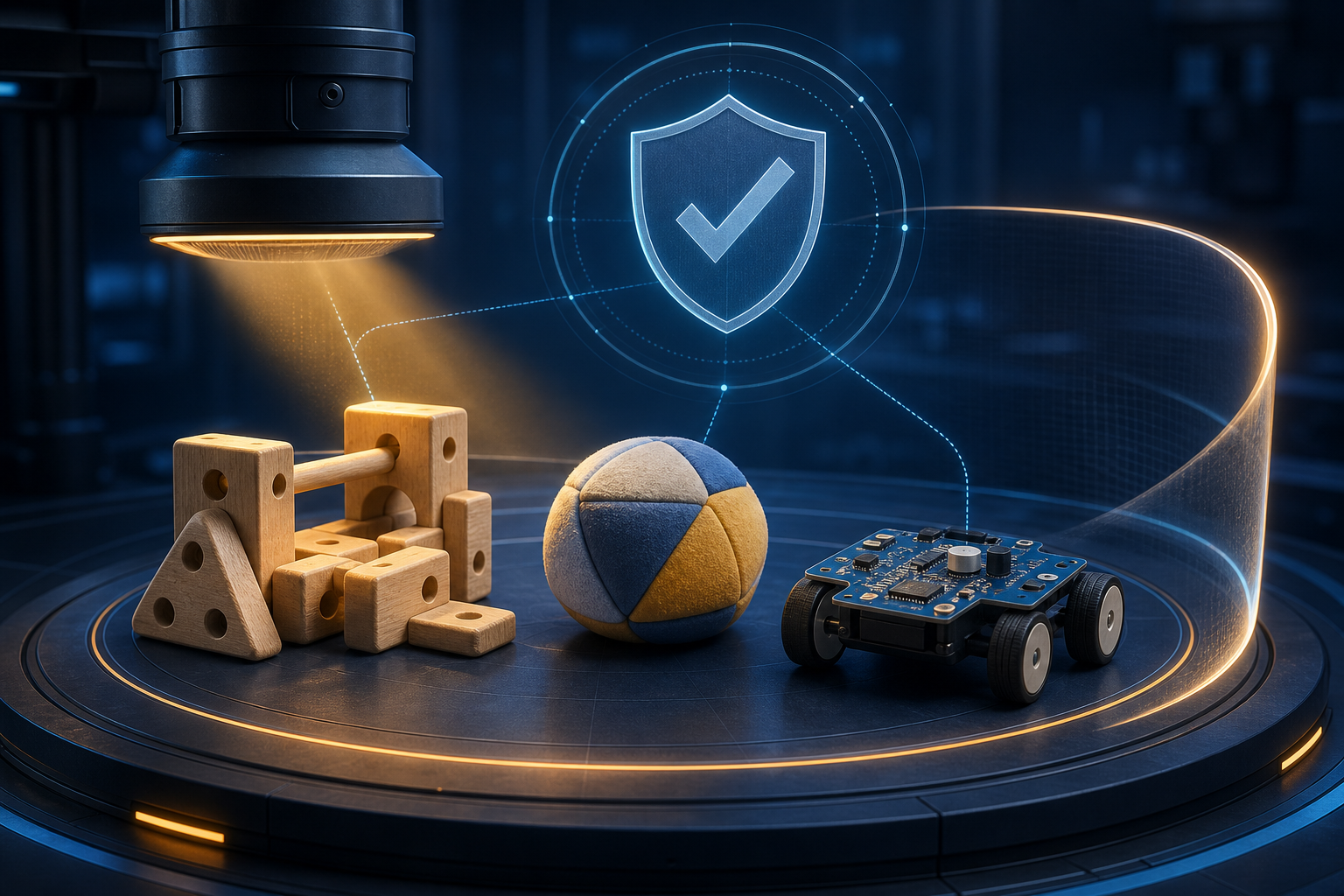
Vóór het in de handel brengen stelt de fabrikant een DPP voor het speelgoed op. De pas is in beginsel gekoppeld aan een specifiek model en bevestigt dat is aangetoond dat aan de vereisten van de verordening, met name de essentiële veiligheidseisen, is voldaan.
De verplichte dataset staat in bijlage VI, deel I. Deze omvat onder meer de unieke productidentificatie, gegevens over de fabrikant en, indien van toepassing, de gemachtigde, een beschrijving van het speelgoed, de goederencode, conformiteitsinformatie en relevante waarschuwingen en veiligheidsinformatie. Aanvullende gegevens uit deel II kunnen worden toegevoegd.
De informatie moet correct, volledig en actueel zijn. De DPP moet gedurende tien jaar na het in de handel brengen beschikbaar worden gehouden – ook bij insolventie, liquidatie of beëindiging van de activiteiten in de EU.
De gegevensdrager moet al vóór de aankoop zichtbaar zijn
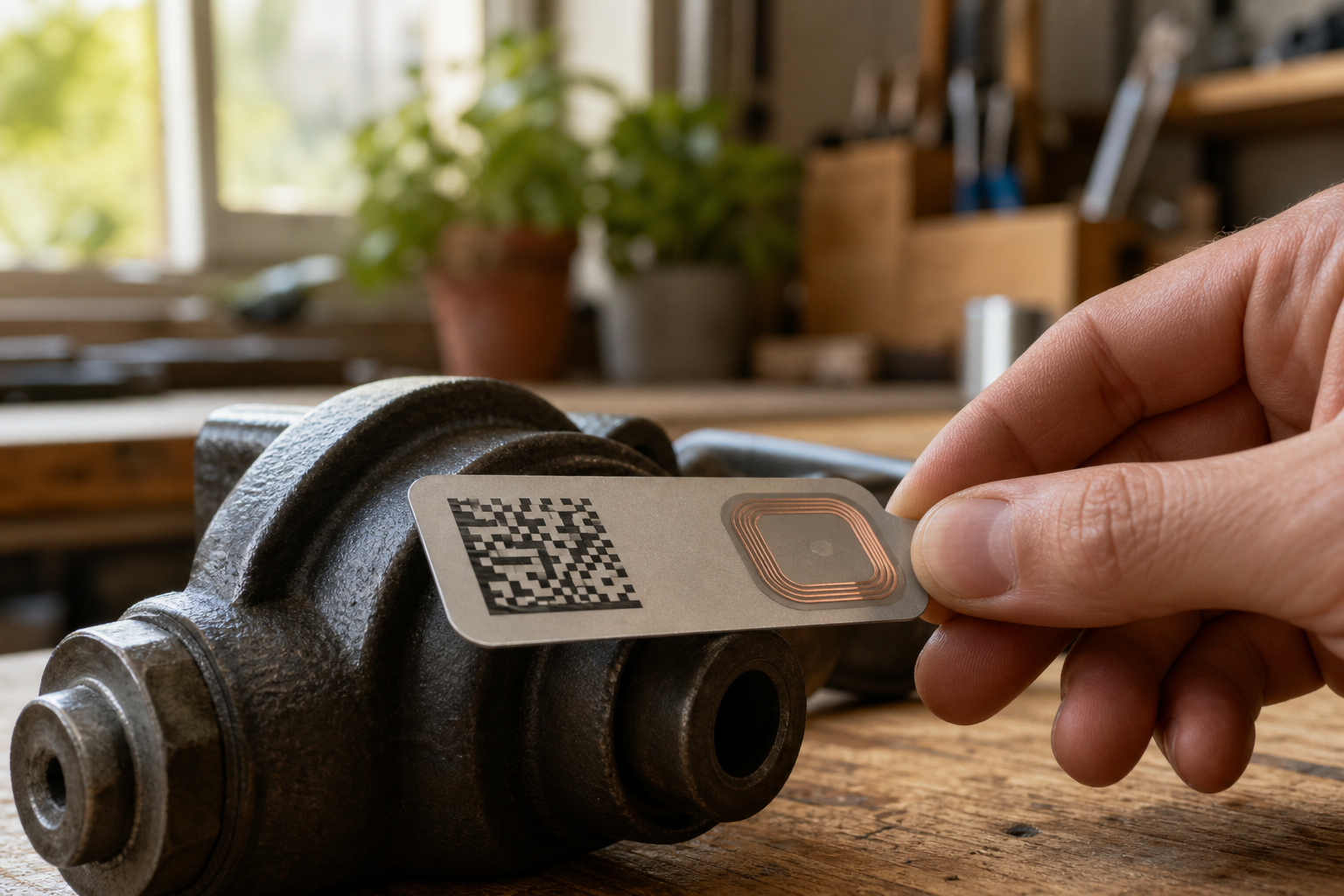
De gegevensdrager bevindt zich op het speelgoed of op een bevestigd etiket. Als de grootte of aard van het product dit niet toelaat, mag hij op de verpakking of in de begeleidende documentatie staan. Doorslaggevend is dat consumenten en markttoezichtautoriteiten hem vóór de aankoop kunnen zien. Dit geldt uitdrukkelijk ook voor verkoop op afstand.
Voor onlinehandelaren betekent dit: een DPP-link mag niet pas na de levering op de verpakking verschijnen. Gegevens van marktplaatsen en webshops hebben een digitale kopie van de gegevensdrager of een gelijkwaardige koppeling naar het productmodel nodig.
Als andere EU-wetgeving eveneens informatie via een gegevensdrager vereist, moet één enkele gegevensdrager worden gebruikt. Dit is met name relevant voor elektronisch of verbonden speelgoed dat daarnaast onder voorschriften voor radioapparatuur, cyberbeveiliging of AI kan vallen.
Modelpas met mogelijk fijnmaziger niveau
De speelgoed-DPP begint op modelniveau. Als andere Uniewetgeving voor hetzelfde product een pas op batchniveau vereist, kan ook de speelgoedpas naar dit niveau worden verplaatst. Ondernemingen hebben daarom een datamodel nodig dat beide ondersteunt.
Een robuuste identificatiestructuur maakt onderscheid tussen:
- het permanente model,
- varianten zoals kleur of uitvoering,
- productiebatch en productielocatie,
- individuele eenheden, als een terugroepactie of andere wetgeving dit vereist.
Deze niveaus mogen niet worden geïmproviseerd met steeds wisselende URL's. Een persistente productidentificatie moet naar de juiste actuele weergave verwijzen.
Welke veiligheidsgegevens niet zomaar openbaar worden
De DPP is bedoeld voor meerdere doelgroepen: consumenten, markttoezichtautoriteiten, douane, aangemelde instanties, de Commissie en marktdeelnemers. Niet alle partijen hebben dezelfde dataset nodig. De Commissie moet de toegangsrechten concretiseren en daarbij bedrijfsgeheimen beschermen.
Voor het publiek relevant zijn bijvoorbeeld identiteit, fabrikant, waarschuwingen en veilig gebruik. Autoriteiten hebben diepgaandere conformiteitsgegevens nodig. Gedetailleerde technische documentatie, lijsten van componenten en informatie over stoffen kunnen bescherming behoeven.
Het systeem moet daarom niet uit meerdere niet-verbonden passen bestaan. Beter is één gedeelde identiteit met rolgebaseerde weergaven, traceerbare authenticatie en geregistreerde wijzigingen.
Koppeling met conformiteit en Safety Gate
Met het opstellen van de pas neemt de fabrikant de verantwoordelijkheid voor de conformiteit op zich. Onder bepaalde voorwaarden kan de DPP informatie bevatten die ook verplichtingen voor de EU-conformiteitsverklaring uit andere rechtshandelingen vervult. Daarmee wordt de pas een actieve regelgevingsdataset en niet slechts een consumentenpagina.
Bij het openen moet bovendien een link worden weergegeven naar het daarvoor bestemde gedeelte van het Safety-Gate-portaal, waar informatie over mogelijk gevaarlijk speelgoed kan worden doorgegeven. Terugroep- en risicoprocessen moeten daarom dezelfde productidentiteit gebruiken als de DPP.
Douanecontrole begint met consistente identificaties
De verordening bepaalt dat douaneautoriteiten geautomatiseerd kunnen controleren of er voor geïmporteerd speelgoed een geregistreerde DPP bestaat. Daarvoor moeten de unieke registratie-identificatie en de goederencode overeenkomen met het EU-register.
Voor importeurs en marktplaatsen volstaat een visuele controle van de code niet. Zij moeten vóór vrijgave controleren:
- komt het concrete model overeen met de DPP,
- is de verantwoordelijke marktdeelnemer in de EU aangewezen,
- is de pas geregistreerd en bereikbaar,
- klopt de goederencode,
- zijn de vereiste talen en waarschuwingen aanwezig,
- blijft de gegevensdrager zichtbaar in het onlineaanbod?
Voorbereiding in zes werkpakketten
- Productmodellen en varianten opschonen en unieke identificaties vastleggen.
- Verplichte gegevens uit bijlage VI koppelen aan product-, kwaliteits- en leverancierssystemen.
- Veiligheidsbeoordeling, technische documentatie en pas via dezelfde identiteit verbinden.
- Openbare en beschermde toegangsrollen ontwerpen.
- Gegevensdragers voor speelgoed, verpakking en onlinehandel gezamenlijk testen.
- Beschikbaarheid gedurende tien jaar, back-up en leverancierswissel contractueel en technisch borgen.
2030 is geen reden om het werk uit te stellen. Speelgoedassortimenten hebben lange toeleveringsketens, talrijke varianten en veel taalversies. Wie identiteiten en veiligheidsgegevens vroeg structureert, kan de latere DPP uit betrouwbare bronnen genereren in plaats van conformiteitsdocumenten kort voor de deadline handmatig bij elkaar te zoeken.